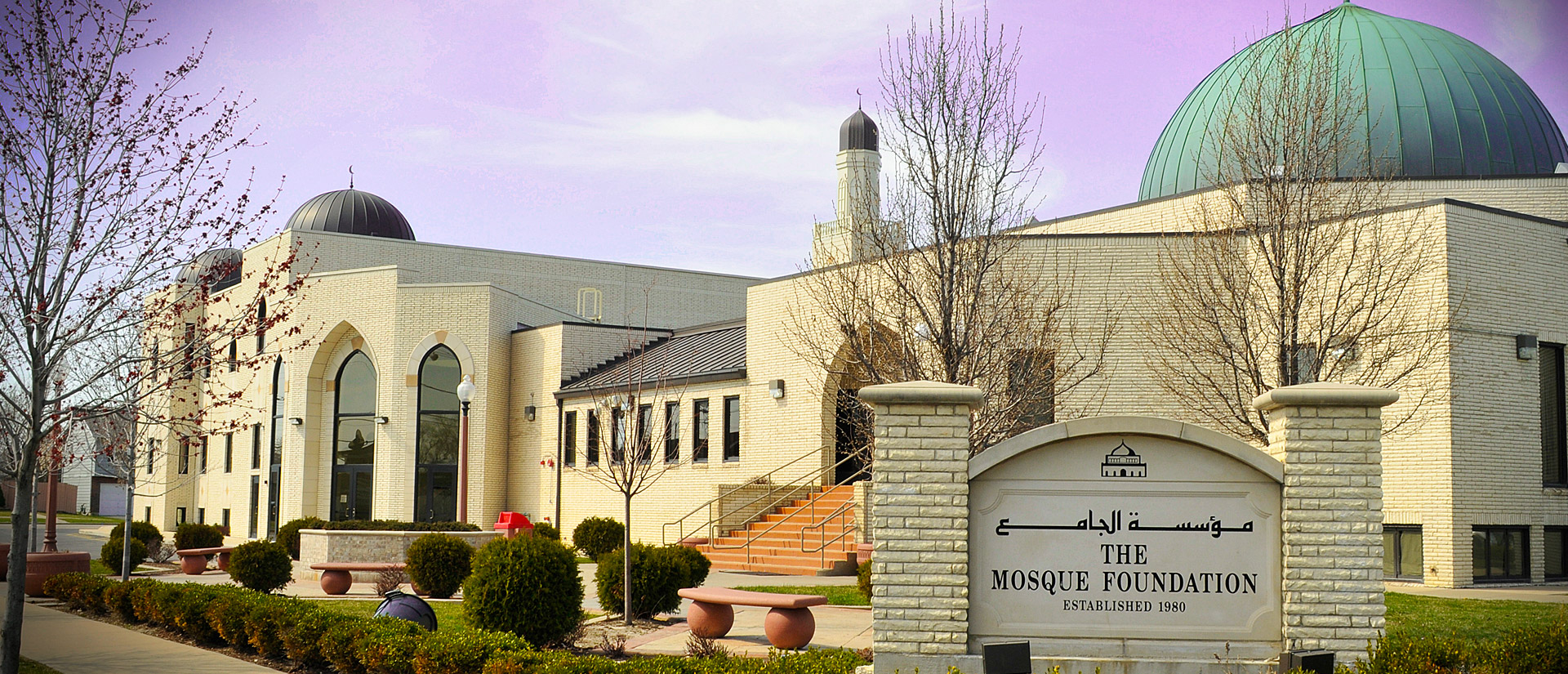
Mosque Foundation | Bridgeview, Illinois Logo
Mosque Foundation | Bridgeview, Illinois

Mosque Foundation

Animal Rights in Islam

First Friday Prayer is at 12:30pm. Second Friday Prayer is at 2:00pm.

Animal Rights in Islam

By Sh. Ahmed Arafat

Remarkably, the Quran turns our attention to the fact that all living creatures, including animals, birds, insects, make independent nations in the same way humans do. Animals eat, drink, multiply, fall sick, get well, communicate, grow old, and die. The Quran says: “All living beings roaming the earth and winged birds soaring in the sky are communities like yourselves. We have left nothing out of the Record. Then to their Lord, they will be gathered all together” (Quran 6: 38). 

Interestingly enough, the Quran records an incident about Prophet Sulaiman as he miraculously understands the way some ants communicate: “When they reached the Valley of the Ants, an ant exclaimed: ‘O ants! Enter your dwellings lest Sulaiman and his armies crush you, unperceiving’” (Quran 27:18). In other words, each living creature is a tenant-in-common on earth with human species. 

In his biographical work al-Wafi bi al-Wafayat, al-Safadi writes that it once happened that Imam Abu Ishaq al-Shirazi, a famous Shafi’i jurist of the fifth century of Hijrah, was walking accompanied by one of his students. Suddenly, a dog appeared beside them. The Imam’s students scolded the dog. Upon this, the Imam responded: “Did you not know that this dog has a share in the street?”

Spiritually, Allah emphasizes the particular relation that connects Muslims with animals and the universe. The Quran teaches us that birds glorify Allah in a way humans do not know: “Do you not see that Allah is glorified by all those in the heavens and the earth, even the birds as they soar? Each [instinctively] knows their manner of prayer and glorification. Moreover, Allah has [perfect] knowledge of all they do” (Quran 24:41). The Quran asserts that “There is nothing but glorifies Him as Holy, but you do not understand their glorification” (Quran 17: 44), and that “To Allah submits all the living creatures in the heavens and the earth, and so do the angels, and they show no arrogance” (Quran 16: 49). 

Furthermore, the Quran considers animals as signs for humans to ponder on. The creation of animals alongside the creation of the sky. The earth and the mountains are subjects for meditation, and thereby humans can easily recognize the power of the Creator. Allah said: “Will they not regard the camels, how they are created? The heaven, how it is raised? The hills, how they are set up? The earth, how is it spread? (Quran 88: 18-20).

Furthermore, “And your Lord has inspired bees to take dwellings in mountains and trees, and what [people] construct. Then eat of all the fruits and go through the pathways made smooth by your Lord. There comes from its bellies a beverage of different colors, in which there is healing for people. Indeed, this is a sign for those who reflect” (Quran 16: 68-69). It is also interesting to mention that the Quran states that humans learned to bury the dead from ravens. When Cain killed Abel, the Quran explains, “Then Allah sent a raven scratching up the ground, to show him how to hide his brother’s naked corpse. He said: Woe unto me! Am I not able to be as this raven and so hide my brother’s naked corpse? And he became repentant” (Quran 5:3).

Consequently, the Quran acknowledges animals’ birth-right to enjoy Allah’s blessings on this earth and share its natural resources with humans. The Quran reads: “It is He [Allah] Who has made the earth for you, and made for you therein paths and sent down water from the sky, and thereby brought different kinds of vegetation. Eat and pasture your cattle; indeed, therein are signs for those who reflect” (Quran 20: 53-54).

In another situation, the Quran states: “He brought from it its water and pasturage, and he made the mountains firm, as a provision for you and your cattle” (Quran 79: 31-33). Similarly, the Quran instructs: “Then let man look at his food: how We pour out water in showers, then turn up the earth into furrow-slices and cause grains to grow therein – grapes and green fodder; olive-trees and palm-trees; and luxuriant orchards, fruits, and grasses….as provision for you as well as for your cattle” (Quran 80: 24-32).

As we can see, all living creations, no matter their size or position, have substantial roles and rights in Islam. Besides, each is worthy of attention and respect. For our role as the top of creation, we are responsible for what is under our control, including animals. Islam urges us to treat animals with compassion and never to abuse them. All creation praises Allah, even if we do not comprehend all forms of praise. Prophet Muhammad (ﷺ) often spoke about the need for mercy and kindness toward animals. Time and again, the Quran, Hadith, and Islamic history teach us to be mindful, kind, and compassionate toward animals. According to Islamic principles, animals have a unique position in the creation hierarchy, and we are accountable for their well-being. May Allah make us worthy and capable of this responsibility.

Clarity and Ambiguity in the Quran

By Sh. Ali Mashhour

“It is He who has sent down to you, [O Muhammad], the Book; in it are verses [that are] precise – they are the foundation of the Book – and others unspecific. As for those in whose hearts is deviation [from truth], they will follow that of it which is unspecific, seeking discord and seeking an interpretation [suitable to them]. And no one knows its [true] interpretation except Allah. But those firm in knowledge say, ‘We believe in it. All [of it] is from our Lord.’ And no one will be reminded except those of understanding” (Quran 3:7).

In the above verse from Al-Imran, Allah classifies the Quran relative to its meaning and implication into two main types: those verses which are clear, and others that are open to interpretation. Allah describes the Quran as clear guidance; a book that puts everything in a human being’s life and environment into a proper perspective. Those verses which are unclear are only ambiguous in meaning relative to the reader, not the text itself.

Allah describes the Quran as being free of error. He says: “[This is] a Book whose verses are perfected and then presented in detail from [one who is] Wise and Acquainted” (Quran 11:1). And again here: “These are the verses of the clear Book” (Quran 12:1).

In these verses, Allah articulates that the Quran is clear and unambiguous while affirming in the top verse from Al-Imran that parts of the Quran may appear ambiguous to some. Hence, we understand that the Quran as a whole is clear, while parts may be obscure.

Allah further says that the Quran is evident in the chests of those who possess knowledge of it. He says: “Rather, the Quran is distinct verses [preserved] within the breasts of those who are given knowledge. And none reject Our verses except the wrongdoers” (Quran 29:49). “And these examples We present to the people, but none will understand them except those of knowledge” (Quran 29:43).

To further clarify this concept, Ibn Abbas (may Allah be pleased with him) is reported by At-Tabari in his explanation to have said:
“The Quran is of four types (with regards to meaning):
-a type which Arabs understand naturally,
-a type which no one is excused from not knowing,
-a type which only the scholars (of Islam) understand,
-and a type which only Allah alone possesses the knowledge of.”
The first type of meaning that Arabs understand naturally would be the nuances of grammar and eloquence, which can only be appreciated by those who master the Arabic language sufficiently enough to notice them.

The second type is those meanings of the Quran, which are so evident that anyone who hears them will understand them regardless of their level of education or intelligence. For example, the understanding that Allah is one and the only one worthy of worship, that adultery is impermissible, that stealing and lying are prohibited, are clearly wrong not and not open to any type of justification.

The third type Ibn Abbas refers to in regards to the meaning of the Quran is that which only the scholars of Islam understand. With proper understanding, the definitions of this portion of the Quran rely heavily upon tying these meanings in with other parts of the Quran and authentic Sunnah of the Messenger of Allah.

Hence, only those with a wealth of knowledge and proper understanding of the Quran and Sunnah can adequately understand these meanings. In other words, one must look at the Quran in its entirety to see the forest for the trees. Anyone can understand the verses of the Quran, still, only those of immense knowledge and experience can understand the Quran and Sunnah in the way that Allah and His Messenger intended.

The fourth and final type of meaning that Ibn Abbas mentions are those meanings of the Quran, of which only Allah reserves the knowledge. Allah describes paradise in vivid detail, yet these are merely an approximation of its actual being. From the narration of Abu Hurairah: “I have prepared for My righteous servants a place the likes of which no eye has ever seen, no ear has ever heard, and has never been imagined by any human being” (Bukhari: 3072/ Muslim: 2824).

Despite the stunning and eloquent detail in which Allah describes paradise, no matter how lively our imagination and how strong our understanding of the concepts put forth, no human being can ever adequately imagine it. Rather its reality is known only to Allah until we get our chance to experience it, inshaAllah.

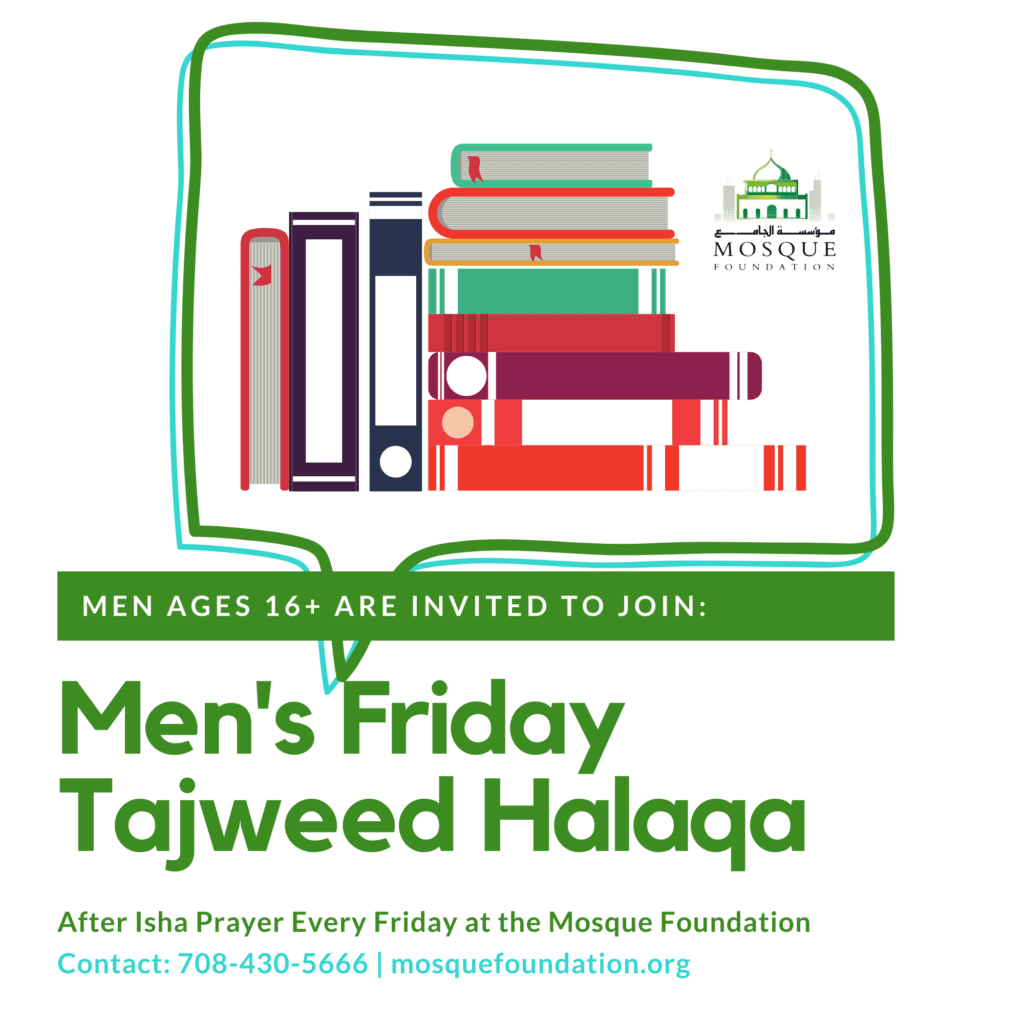
Men’s Friday Tajweed Class

The Mosque Foundation invites men ages 16 and up to join a Friday Tajweed Class with Brother Adil Berdai. This free class takes place on the first floor (back hall) of the Masjid after Maghrib prayer during the summer months, and after Isha prayer during the winter months.

This program began in October of 2018 as a way to help men build knowledge and skills of the Quran to become lifelong reciters of the Holy Book. The program is divided into three levels: beginner, intermediate, and advanced. Each level takes about four months (80 hours) to complete, after which each student is assessed in his mastery of the material.

Before beginning this tajweed program, men should already be adept in the Arabic language and able to read from the Quran. Most of the attendees are ages 30 and up, but men as young as 16 are encouraged to attend and benefit.

The beginner level introduces the rules of tajweed and tilawah. By the end of four months at this level, students should have a firm grasp of tilawah of the last 5 chapters of the Quran, and memorize hizb 60.

The intermediate course builds upon the skills learned in the beginner course, with a more vigorous emphasis on tajweed. By the end of this level, students should perfect their tilawah of 7 chapters of the Quran from surat al-Furqan to surat al-Jathiya, and memorize hizb 59.

The advanced course finalizes the teaching of all the rules of tajweed with full command of tilawah for the first 18 chapters of the Quran.

New students are encouraged to contact Brother Adil at adilberdai@gmail.com to inquire about registration, or if they have any general questions.

Life is Short

By: Sh. Ahmed Arafat 

عن عبد الله بن مسعود رضي الله عنه أن النبي ﷺ قال: «مالي وللدنيا! إنما مثلي ومثل الدنيا: كمثل راكب قال في ظل شجرة، ثم راح وتركها»
رواه الإمام أحمد في مسنده

To demonstrate the shortness of this life and his inner attitude toward it, the Prophet ﷺ stated : “ Why should I be so attached to this life? The parable that illustrates my relation to this life is that of a rider who took rest in the shade of a tree, then departed and left it.” 

This brief Hadith teaches us that life is short. Prophet Muhammad ﷺ compares our lifespan to the time it takes a rider to take a nap in the shade of a tree before waking up to continue their journey. The Prophet ﷺ conveyed the idea of the shortness of this life and the certainty of the afterlife so eloquently and tangibly that even the words of his parable were carefully and perfectly employed. First, the word ‘rider’ refers to a person whose desire is not to travel permanently but to reach a specific destination. Second, the phrase ‘took rest’ refers to a short period of time that is too vital to be wasted. Moreover, the time available for this nap is too varied to be guaranteed. In other words, the time available may suddenly come to an end. Third, the phrase ‘in the shade of a tree’ refers to a passing period of time that does not remain forever. Finally, the phrase ‘departed and left it’ symbolically refers to leaving this life and heading for the afterlife. Thus through a tangible, unforgettable parable, the Prophet ﷺ implanted the reality of life in the minds of Muslims so that we will not be deceived by its false appearances or passing pleasures. About the use of parables, Allah said: “Such parables do We set for people so that they shall reflect” (Quran 59: 21). In another position, Allah says: “Allah sets forth parables for people so that they shall remember” (Quran 14: 25).

  Unfortunately, many people misinterpret the Hadith as promoting the denial of pleasure and neglecting our worldly duties and responsibilities. Nothing could be further from the truth. As a matter of fact, our present life is the bridge to the hereafter. In other words, life here is our farmland where its harvest will be shown in the hereafter. No one can escape this relationship. Accordingly, the Hadith is not asking us to abandon life. The opposite is totally true. The Hadith is a reminder of our limited time on earth to avoid the many alluring distractions and focus on maximizing the good and minimizing the bad during this short stay. In an enlightening prayer, the Prophet ﷺ beautifully combined the benefits of life here and hereafter. Abu Hurayrah reported the Prophet ﷺ as saying: “O Allah purify my Faith which guards all my matters, purify my worldly life where I live, make good for me my Hereafter to which I shall return, make my life a means for increasing my good deeds and make death as a means of avoiding every evil” (Imam Muslim).

Accordingly, when we encounter texts from the Quran or Hadith about the insignificance of this life, we should understand them (1) in comparison with the afterlife, (2) as a warning against ghaflah or heedlessness and (3) as an invitation to broaden our perspective on life. The Quran reads: “This worldly life is no more than play and amusement, but far better is the eternal Home of the Hereafter for those mindful of Allah. Will you not then understand?” (Quran 7:32). These three perspectives are necessary for our spiritual and emotional growth. Commenting on the verse, “And the worldly life is but a deceiving and alluring pleasure” (Quran 3: 145), Sa’id ibn Jubayr states: “This ayah applies to those who prefer the worldly life to the Hereafter. However, it would be a great pleasure for those who use it to seek the Hereafter.” Similarly when we read the ayah “The life of this world is but play and amusement,” we cannot understand it as promoting isolation from the society or neglect of the God-assigned duties for humans since Allah said: “I shall make on earth a vicegerent” (Quran 2: 30). However, in the midst of suffering the storms of life, we felt depressed, we should put life in its proper perspective and affirm its transient nature. 

            Consequently, the Hadith has many positive implications that should be put into practice. First, life is short; do not waste it. Second, life is passing; do not take it for granted. Third, life is full of appealing distractions; do not be deceived. Finally, the Hereafter is much better; do not miss out. Failure to recognize these four facts will result in a big loss for the individual here and in the Hereafter. That is why the Prophet ﷺ used to remind his followers of the reality of life and the right way to understand it. The Hadith discussed is a case in point.

CLASES ISLAMICAS EN ESPANOL PARA MUJERES

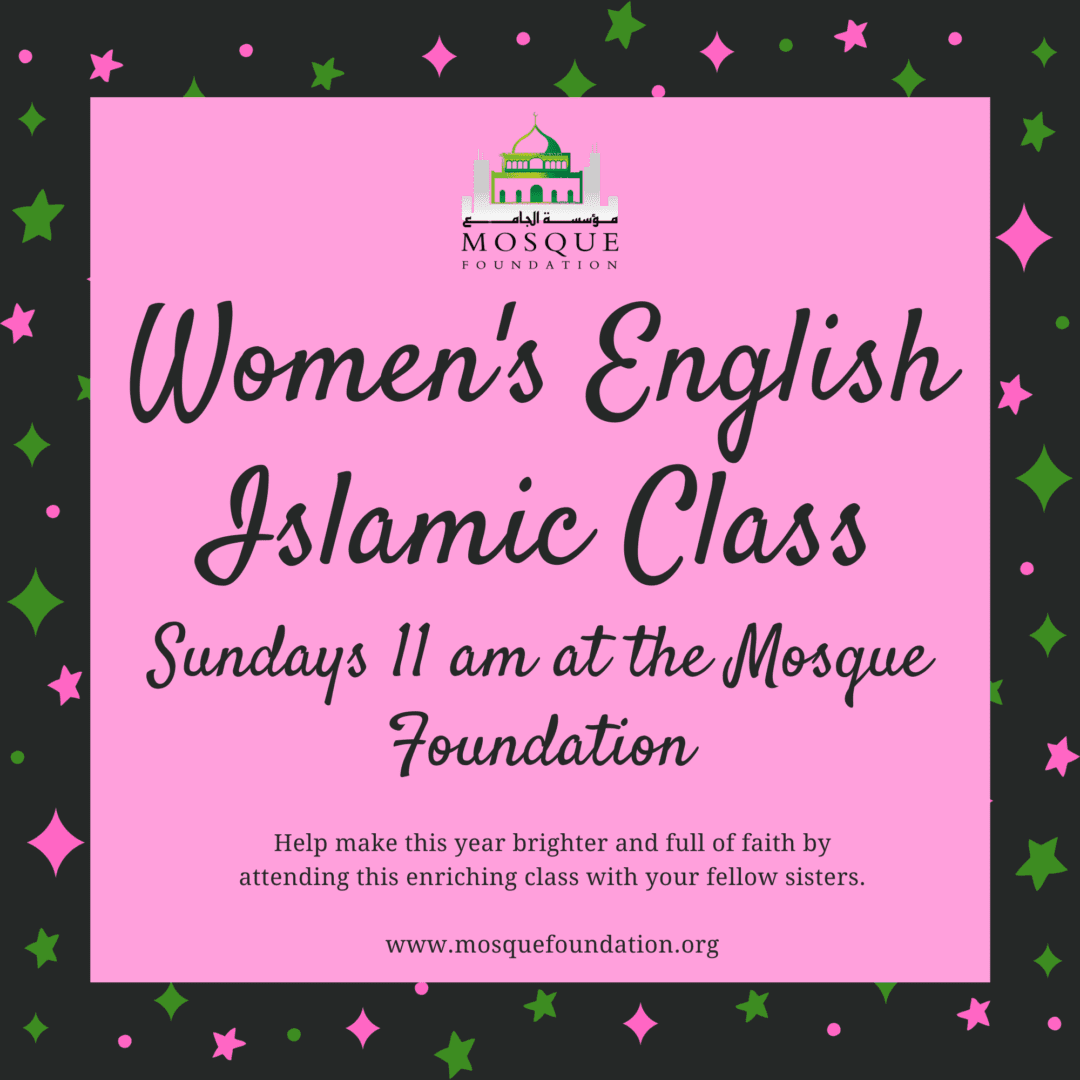
WOMEN’S ENGLISH ISLAMIC CLASS

Multiple Options For Women’s Saturday Quran Classes

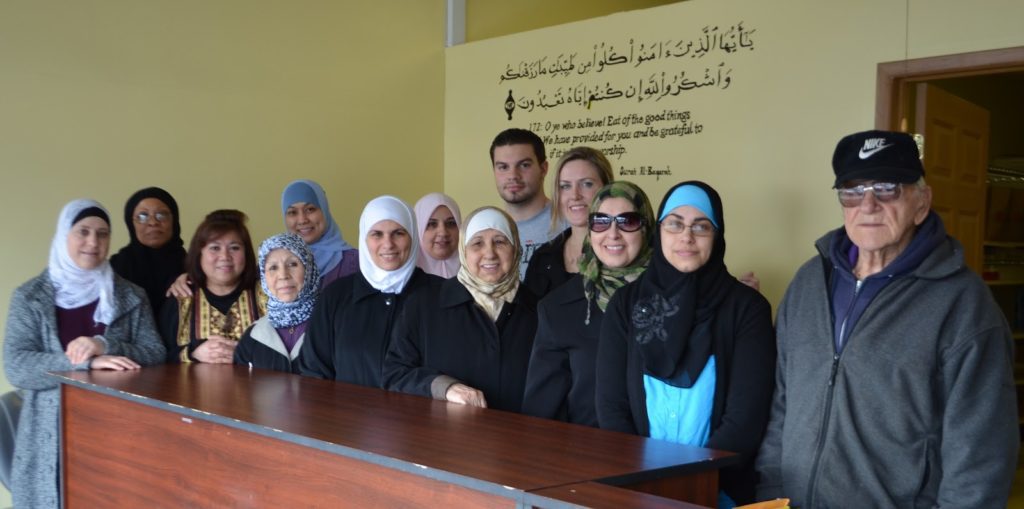
Every Saturday, women ages 18 and up have three opportunities to study the Quran beginning with learning Juz Amma, moving on to advanced tajweed, and finally, memorization of the Quran. Sister Seida Khater oversees these three classes on the second level of the Mosque Foundation.

Schedule:

  • Memorization Class: 8:30 am – 10:00 am
  • Advanced Tajweed Class: 11:15 am – 11:45 am
  • Juz Amma Beginner Class: 11:45 – 1:00 pm

The objective of the beginner class is to build the ability and confidence in reading Arabic and learning the basic rules of tajweed. For the next level, advanced tajweed, students are adept in reading Arabic and have moved on to perfecting their pronunciation by following the ahkam, or rules of tajweed. Finally, students may enroll in the hifz, or Quran memorization class. Each class has a monthly fee of $25.

The main participants are women ages 18 and above, who are non-native-Arabic speakers. They range from college students, working professionals, mothers with young children, to respected elders. Despite the varying ages, backgrounds, and stages in life, all the women share a connection through the bond of Islamic sisterhood. 

These Quran classes began in 2012 when Sister Seida Khater saw a lack of classes geared specifically for English native-speakers to learn and benefit from the Quran. Each class provides women the opportunity to feel connected to the Quran and thus strengthen their faith.

Sister Seida Khater is a highly qualified educator with many years of teaching experience as well as accomplishments in the study and understanding of the Quran including recitation, memorization, tafsir, and tajweed. Her students are grateful for these classes which cater to the busy lifestyle of our modern times. During each class, students engage in a welcoming and intellectual environment of learning and enlightenment.

For updates, announcements, changes in schedule, and to join the WhatsApp discussion group, please contact Sana Jaber at sanajaber3@gmail.com. 

Be Among the Few: Express Gratitude

Many of us frequently exclaim: “Alhamdulillah!” (praise and thanks to Allah) when we are happy or receive good news, but Allah says, “Only a few of My servants are truly grateful” (Quran 34:13). Even though verbal gratitude is one way to express thanks, this basic form has lost its punch in our daily life. For this reason, as a reminder to myself and to you, here are seven habits to maintain a grateful heart with mindfulness.

  • First, thank Allah by counting the blessings He’s given you. 

Make a list of the good things in your life and thank Him consciously. Saeed al-Jurayri used to say: “Counting Allah’s favors is one of the ways to express gratitude.” If you do not realize the blessings in your life, remember what the Prophet ﷺ advised, as reported by al-Tirmizi: “Whoever wakes up feeling safe with their household, staying healthy and having the food for their day is like a person who is given life in its entirety.” 

  • Second, speak of Allah’s favors on you. 

Share the good things you are grateful for in your life with the people who love you. This is not arrogance or showing off or being preachy! When you give thanks, you are praising Allah and attributing everything to Him. The Quran reads: “As for the favors of your Lord, report [them]” (Quran 93:11). Sharing gratitude can be a source of inspiration for others and holding ourselves more accountable.

  • Third, wake up early and start your day with gratitude affirmations. 

Every morning the Prophet ﷺ used to say: 

اللَّهُمَّ مَا أَصْبَحَ بِي مِنْ نِعْمَةٍ فَمِنْكَ وَحْدَكَ لَا شَرِيكَ لَكَ فَلَكَ الْحَمْدُ وَلَكَ الشُّكْرُ

“My Lord, All the blessings that reach me this morning are from You alone. You have no partner. To You is all praise. To You is all gratitude” (Authentic Hadith as judged by Imam al-Nawawi).  

  • Fourth, end your day with gratitude. 

The Prophet ﷺ used to offer the following prayer before sleeping:

 الْحَمْدُ لله الَّذِي أَطْعَمَنَا وَسَقَانَا وَكَفَانَا وَآوَانَا، فَكَمْ مِمَّنْ لَا كَافِيَ لَهُ وَلَا مُؤْوِيَ

“Thanks are due to Allah who gave us food and drinks, sustained us and gave us shelter. There are many who are not sufficiently sustained or have a place to live in.” The Prophet ﷺ used to remember the favors of food and drinking water every night before he slept, even though he had less than what most of us have today.  

  • Fifth, when you say alhamdulillah, mean what you say. 

We begin each daily prayer with the Fatihah ‘alhamdulillah…,’ and after finishing prayer, we say alhamdulillah 33 times. But, do we really mean what we say? Now say alhamdulillah mindfully and let the meaning sink slowly into your heart.

  • Sixth, thank people who do favors for you. 

Imam Ahmad, Abu Dawud, and Ibn Hibban reported on the authority of Abu Hurayrah that the Prophet ﷺ said:

 لا يشكر الله من لا يشكر الناس 

“Those who do not thank people are not grateful to Allah.” Call a friend, teacher, neighbor, or someone who did something nice to you and tell them that you are thanking them for being in your life. Your spouse looks out for your needs on a daily basis. Leave them a thank-you note for something good they did, no matter how small it is. Acknowledge the service provided to you by the postal worker, garbage collector, or your child’s bus driver by giving them a gift in appreciation of their work. A handwritten card is a heartfelt way of expressing gratitude as it illustrates your care and thoughtfulness. Make it your habit to give a compliment daily. By doing so, you will have more positive emotions, feel more alive, become more resilient, and develop better relations.

  • Seventh, practice present-moment gratitude. 

Here is one way to apply this habit: As you are doing a daily activity, as simple as drinking a cup of water, take a moment to pause, be mindful and feel grateful as you are drinking, and then say alhamdulillah with focus and awareness. Another way is when you receive good news, say alhamdulillah and fall down in prostration to Allah. This is a forgotten Sunnah known as Sujud al-Shukr (Gratitude Prostration) and is meant to protect us from any potential pride or arrogance. Whereas gratitude is expected every day, Sujud al-Shukr is for noticing and tracking any new blessing in our life. Many scholars see that it is not required to be in the state of taharah (ritual purity), facing the Qiblah or even for a woman to be wearing Hijab, as this sujud is a quick reaction to something that may have suddenly happened. 

I pray that Allah makes us among the few who are truly grateful for His blessings so He may increase His mercy upon us.

19 Years of Giving at the Community Food Pantry

The Mosque Foundation Community Food Pantry has been humbly serving low-income neighbors for nearly two decades. Are you looking for a volunteer opportunity, or do you know someone who would benefit from this service? Read more to find out.

At the Mosque Foundation, part of our mission is to address the needs of every component of an American Muslim’s life. This includes taking a proactive, comprehensive approach to community service. The Mosque Foundation Community Food Pantry offers sustenance to lines of people, regardless of their race, ethnicity, place of residence, or religious background.

Unlike other local food pantries that open once a month, the Mosque Foundation Community Food Pantry is open every Monday from 10 am to 1 pm. It is located at 7210 W 90th Place in Bridgeview. Jeanean Othman, the director and one of the founders, has been working at the food pantry since its inception over 18 years ago. When the food pantry first opened its doors, she recalls how no more than a handful of people would show up. Today, people line up before the doors are open. We serve between 150-200 families per week.

The food pantry is supported by generous individual community members who call in to ask how they can help or drop off food items. Additionally, the Greater Chicago Food Depository and local businesses donate 9 pallets of food twice a month.

In addition to financial and in-kind donations, volunteers devote their time and energy to keep the food pantry running smoothly. Jeanean and the volunteers experience first-hand the level of dedication that goes into running a food pantry. Volunteers handle each situation by delegating roles based on talent and experience. Volunteers take their job seriously but also find time to have fun and enjoy the experience.

Jeanean has a staff of about 10 loyal volunteers who come in every week regardless of what life throws at them. These volunteers are mainly mothers who are local community members and know the value of giving back. Jeanean also mentions a few volunteers, males and females, who are not even part of the Muslim community but contribute with their time and energy to help those who are less fortunate. Also, high school and college-aged students fulfill their community service hours by volunteering at the food pantry. Students are grateful for the opportunity to serve in a Muslim-run organization.

The Mosque Foundation Community Food Pantry takes pride in the fact that no one is ever turned away. Whether you are an individual who recently lost your job and need something to eat for the day, a single parent trying to make ends meet, elderly grandparents with custody of grandchildren, a new immigrant or refugee who needs help adjusting to the unfamiliar country and customs, or a widow—when you come into the food pantry, you will not only receive a variety of fruits and vegetables, a couple of pounds of meat or poultry, and a few boxes and cans of non-perishables, you will also be welcomed with a smile and treated with respect. We believe that everyone deserves to feel like part of the community.

The Mosque Foundation Community Food Pantry follows the strict guidelines of the USDA and the Greater Chicago Food Depository. We are certified based on our high standards by taking classes, keeping up to date with regulations, and maintaining a clean and sanitary environment.
Contact us for more information: mc@mosquefoundation.org

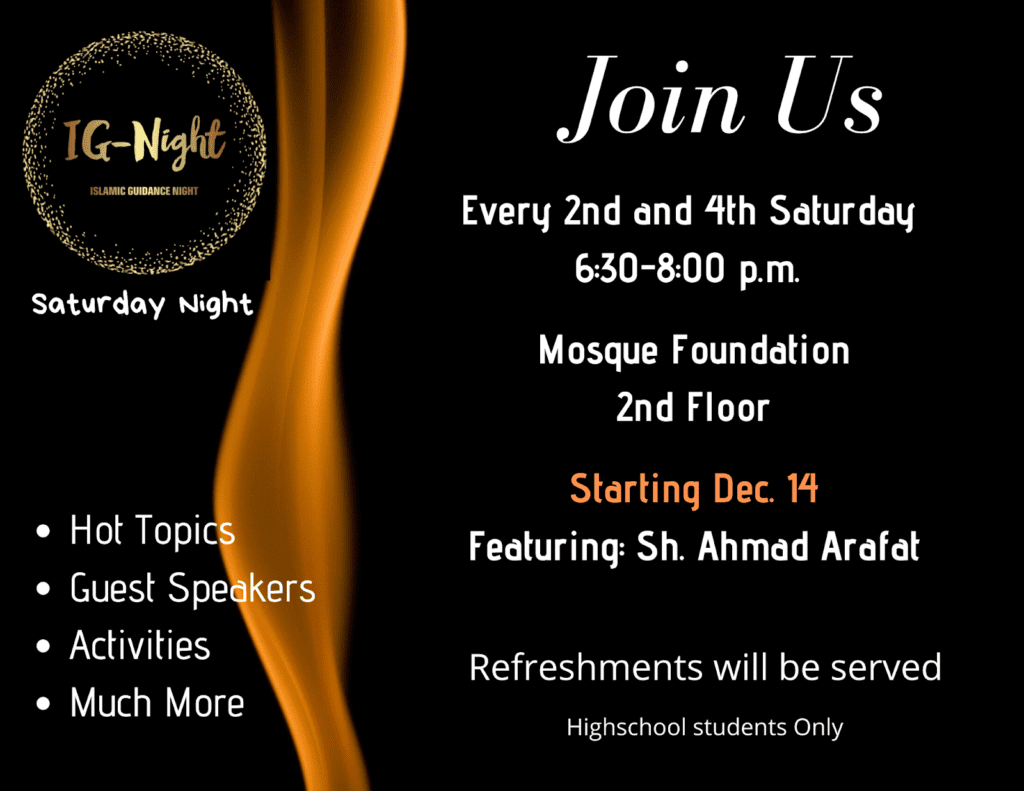
IG-Night

High school students are specially invited to participate in Islamic Guidance Night (IG-Night) at the Mosque Foundation every second and fourth Saturday evening to for fun activities and to discuss relevant topics with guest speakers. Refreshments will be served!

9 Myths About Muslim Charities: Stories from the Zakat Foundation of America

The community is invited to listen to Mr. Halil Demir, one of the founders of Zakat Foundation, a non-profit organization that aims to improve the lives of the poor worldwide. Mr. Demir will discuss his book, 9 Myths About Muslim Charities in the US, followed by a book signing on Saturday, December 21, from 7 pm to 8 pm.

Asking for Allah’s Forgiveness

“And those who do not invoke with Allah another deity or kill the soul which Allah has forbidden [to be killed], except by right, and do not commit unlawful sexual intercourse. And whoever should do that will meet a penalty. Multiplied for them is the punishment on the Day of Resurrection, and they will abide therein humiliated. Except for those who repent, believe, and do righteous work. For them, Allah will replace their evil deeds with good. And ever is Allah Forgiving and Merciful. And those who repent and do righteousness do indeed turn to Allah with [accepted] repentance” (Quran: 68-71).

The scholars of Islam have derived from these verses and others like them that sin is of three main categories:

    • Sin against the rights of Allah
    • Sin against the rights of another creature
    • Sin as a transgression against one’s soul

Al-Baz-zaar and others have collected that a number of the righteous predecessors have said: Oppression is of three categories on the day of resurrection: a transgression which Allah will not forgive, a transgression which Allah will forgive, and a transgression which Allah will not neglect. The type of sin Allah will not forgive is Shirk (associating another with Him in worship). The Quran states: ‘Verily Allah does not forgive that others be associated along with Him (i.e., in worship), and He forgives that which is less in severity for those whom He chooses’ (Quran 4:48). The transgression Allah will forgive is a transgression of someone against their soul in sinning between themself and the lord. The type of sin which Allah will not neglect is a transgression of His creatures between one another. Allah will overlook this type until total retribution is achieved.

  • Cease from the action of which one is repenting
  • Heartfelt regret over the sin in question
  • Sincere and solemn intention never to sin again
  • Timely repentance (any time before the sun rises from the west, and before a person’s soul leaves their body)
  • If the sin involves transgression against another, the rights of the victim should be restored. For example, if someone steals, the stolen item must be returned to its rightful owner as a valid condition of repentence

Provided these conditions are met, Allah guarantees forgiveness. As He says in the previous verses, “…for them, Allah will exchange their evil deeds for good deeds…” There are several dimensions to the meaning of this statement. However, most simply put, by repenting, one cannot change the past; what’s done is done and cannot be changed. However, one can change the way the past is looked upon and judged by Allah.

May Allah grant us all the most sincere of accepted repentance before we meet Him.