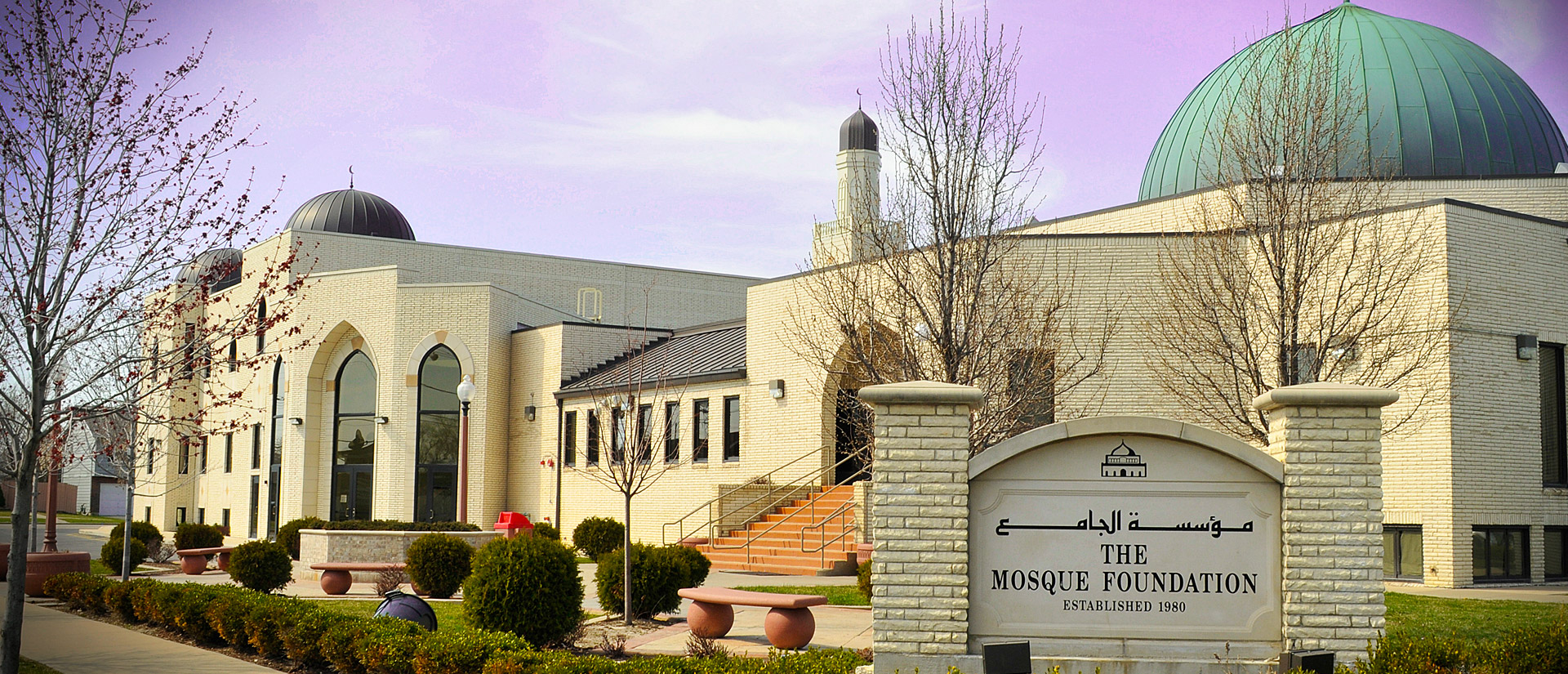
Mosque Foundation | Bridgeview, Illinois Logo
Mosque Foundation | Bridgeview, Illinois

Mosque Foundation

O Allah, Make Us Among the Mossaddiqeen

First Friday Prayer is at 12:30pm. Second Friday Prayer is at 2:00pm.

O Allah, Make Us Among the Mossaddiqeen

O Allah, Make Us Among the Mossaddiqeen

There are many windows of opportunities in this life, especially placed by Allah (SWT), to purify our souls and gain forgiveness for our sins. These opportunities are open to every single believing individual, young and old, poor and wealthy, ill and healthy, educated and illiterate, it matters not. Some take advantage of these windows, seeking them with every turn and twist in the life of this donya (worldly life), both in happiness and in calamity. For these people called al-Mossaddiqeen, Allah has created a special manzilah, or level, in the heavens for those who give sadaqa consistently. It is the quality for which they are most recognized and is what will witness for them on the Day when nothing can attest for them but their deeds.

It is this group of people who are the best at finding the best bargains and offers, constantly searching and consumed with the Best Deal. The deal granted by He Who created us and assigned for us provisions. Allah (SWT) says, “Who will loan Allah a lofty loan which Allah will double unto his credit and multiply many times?” (2:245). The Mossaddiqeen grasped this deal because they recognized it is like no other that can be granted in this worldly life. My brothers and sisters, Allah has granted us provisions, and He asks that we give from what He has granted us so that He may give us more; how generous is Our Creator (SWT).

So even in times when it is difficult to give Sadaqa, the Mossaddiqeen remember that it does not decrease their wealth. The Prophet (S) was reported to have stated, “Charity does not decrease wealth, and the servant who forgives, Allah makes him more respected; and the one who shows humility, Allah elevates him in the eyes of the people.”(Muslim)

For this reason, the Mosque Foundation community’s perception of sadaqa has gained it great regard and esteem by other communities. Your sincere commitment to the House of Allah has placed great baraka (blessings) in your wealth and possessions and protects your families and will continue to bi’thinillah. To spend in the cause of Allah by way of propagating His religion is a charity with high merit and great reward. The one who spends in the cause of Allah will continue to be rewarded even after his death. He or she is providing a place to pray, a place for one to learn about their religion, and seek counsel. What is spent on the House of Allah will be rewarded with a house in heaven, as Prophet Muhammad (S) was reported to have stated, “Whoever builds a Masjid for Allah, Allah will build for him a similar house in Paradise.” (Bukhari)

To ensure that our sadaqat are being accepted we must consider several requirements.  First of all, sadaqa must be given from money that is earned in a lawful way. Allah SWT says, “Oh you who believe, spend from what you (lawfully) earned,” (2: 267).

Second, when giving sadaqa, the believer must purify his intention and make his purpose just for the sake of gaining Allah’s pleasure and reward. The Prophet (S) said, “All deeds are based on intention and everyone will be rewarded according to what he intended.” (Bukhari)

Third, the believer should haste in giving sadaqa and should not delay it without a valid reason. It is also much better for the Muslim to give sadaqa during his life when in need of money, than to wait until death comes to him. Prophet Muhammad (S) was once asked about the best of all charities to which he replied, “The best charity is what you give during your life while you are in need of it.’”

Fourth, it is more befitting for a Muslim to give sadaqa from his best possessions; that which he loves most. Allah (SWT) says, “By no means shall you attain righteousness unless you give (freely as a charity) from that which you love; and whatever you spend Allah knows it well,” (3: 92). However, this does not mean that one should lessen the value of his sadaqa if he only has little to give. Prophet Muhammad (S) once said to his companions, “One Dirham could be better in reward than one hundred thousand Dhirhams.” A man asked, “And how is that oh Messenger of Allah?” He (S) replied, “A wealthy man takes one hundred thousand Dirhams which is one part of his wealth and gives it as a charity, while a poor man who only has two Dirhams pays one of them as a charity.”

The Mosque Foundation calls upon its generous community to continue its support to your Masjid. You have and, we are confident, will continue to answer this call with sincerity and generosity, and we will, by Allah’s Will, continue in our joint efforts to answer Allah’s call upon us.

By Sh. Jamal Said
Winter Blues: An Islamic Perspective on Sadness

Many people, young and old, of both genders, experience sadness during the winter season due to many reasons, including the temperature dropping, staying indoors, and the shortened daylight hours. In general, sadness is a normal emotion experienced by healthy human beings at different points in their lives due to particular circumstances. In the Quran, we find many examples of Messengers and righteous figures experiencing sadness, including Prophet Muhammad ﷺ, the most steadfast of believers.

Allah ﷻ states, “We know that you, [O Muhammad], are saddened by what they say. And indeed, they do not call you untruthful, but it is the verses of Allah that the wrongdoers reject” (Quran 6:33). And of Yaqub, “And he turned away from them and said, ‘Oh, my sorrow over Yusuf,’ and his eyes became white from grief, for he was [of that] a suppressor” (Quran 12:84). And Allah ﷻ states about the Companions, “Nor upon those who, when they came to you that you might give them mounts, you said, ‘I can find nothing for you to ride upon.’ They turned back while their eyes overflowed with tears out of grief that they could not find something to spend” (Quran 9:92).

In many other instances in the Quran, we find evidence of the condition of sadness or grief that humans experience. However, believers deal with sorrow in a completely different way than those who lack in their faith. Believers do not allow sadness to stop them from achieving their purpose in this life or cause them to feel hopeless.

Depression is something different from what our righteous predecessors experienced. It is characterized by a complete loss of the ability to experience joy and is often associated with self-depreciation and wanting life to end. Although a human might experience the symptoms of depression intermittently during their lifetime, if it is prolonged, it becomes a clinical issue that requires the attention of a medical professional. Islamically, Muslims must seek treatment for any illness, mental or physical, which they may have. Therefore, as a community, we need to break away from the cultural stigma surrounding the treatment of mental health disorders.

The Quran and Sunnah of our beloved Prophet Muhammad ﷺ address the symptoms of depression head-on, and we should study both closely to prevent ourselves or our loved ones from reaching such a state.

Our perception of this life and its burdens is key to treating sadness. Allah ﷻ explains, “Allah will never place a burden on a soul that it cannot bear…” (Quran 2:286). Allah ﷻ created an innate power in human beings that can be strengthened through worship to overcome the most difficult of trials. We all know of believers who were challenged with innumerable difficulties yet were able to overcome them through the decree of Allah ﷻ. We must be confident that Allah (ﷻ) does not place a burden upon us that we could not handle.

Allah ﷻ says, “There is ease after hardship. Indeed there is ease after hardship” (Quran 94:5-6). Therefore when faced with difficulty, we must remember that only ease will follow. The nature of this life is that it is filled with trials and tribulations, but Allah’s ﷻ promise that ease will always accompany hardship should put us at ease.

We must also remember the purpose of these tests and tribulations. Allah ﷻ says, “And We will surely test you with something of fear and hunger and a loss of wealth and lives and crops, but give good tidings to the patient.” (Quran 2:155) And He ﷻ states, “Or do you think that you will enter Paradise while such [trial] has not yet come to you as came to those who passed on before you? They were touched by poverty and hardship and were shaken until [even their] messenger, and those who believed with him said, ‘When is the help of Allah?’ Unquestionably, the help of Allah is near” (Quran 2:214).

Allah ﷻ tests us to remind us of our purpose in this temporary life and to reward us in the next permanent life. The real calamity is if, after difficulty, we still are not reminded of why we are here. Any loss we suffer should remind us of our humanness and our need for Allah ﷻ in addition to the splendid reward that awaits us in the next life. We cannot control what happens to us, but we can choose to be closer to Allah ﷻ, and the actions we take can lead us to His pleasure and ultimate reward.

The nature of this life and everything within it is fleeting. Nothing stays the same. Most changes are spontaneous, and we can do little about that. This is why we need to maintain realistic expectations for this life’s events while remaining optimistic about the actions we can take that will make us better Muslims and prepare us for the next life.

These actions include maintaining our fara’id, obligatory acts of worship, starting with our five daily prayers. This is the best way to connect with our Creator ﷻ and a time to seek His help and mercy. Another way to overcome sadness is to find ways to help others who are in need. Through helping others, we are reminded of the favors which Allah ﷻ has bestowed upon us. It is also important to surround ourselves with good Muslims who can help us remain positive and support us through difficulty. Again, we should do our best to find healthy ways to break from the stressors in our lives and seek Imams and professionals’ counsel for guidance on how to best deal with sensitive situations.


And finally, we should never underestimate the power of dua’a. Turn to Allah ﷻ with sincerity and beseech Him stating, “O Allah, I am Your servant, offspring of Your servant, offspring of Your female servant, my forelock is in Your hand, Your command over me is forever executed, and Your decree over me is just. I ask You by every Name belonging to You which You named Yourself with, or revealed in Your Book, or You taught to any of Your creation, or You have preserved in the knowledge of the unseen with You, that You make the Quran the life of my heart and the light of my chest, and a departure for my sorrow and a release for my anxiety.” The Prophet Muhammad ﷺ said: “No person suffers any anxiety or grief and says (this supplication), but Allah will take away their sorrow and grief, and give them in their stead joy.”

By Sh. Jamal Said

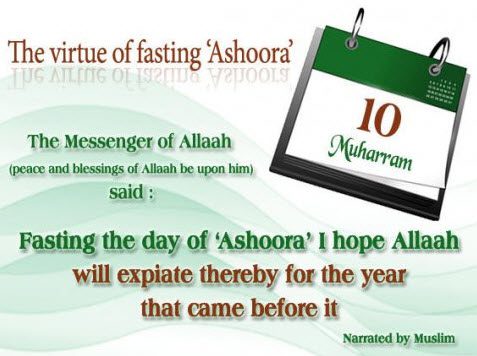
Fasting the Day of Ashura

ashoura


Ashura 2020 is on Saturday, the 29th of August.

‘Ashura’ commemorates the day that Allah saved the Children of Israel from Pharaoh. Fasting on the tenth of Muharram, also known as the ‘Day of Ashura,’ expiates the sins of the past year. When the Prophet ﷺ arrived in Madinah in 622 CE, he found that the Jews there fasted on Muharram 10 and asked them the reason for their fasting on this day. They said, “This is a blessed day. On this day, Allah saved the Children of Israel from their enemy (in Egypt), and so Prophet Musa [Moses] fasted on this day giving thanks to Allah.

“The Prophet ﷺ said, “We are closer to Musa than you are.”He fasted on that day and commanded Muslims to fast on this day (Al-Bukhari). The following year, Allah commanded Muslims to fast the month of Ramadan, and the fasting of ‘Ashura’ became optional. It is also reported that the Prophet ﷺ intended to fast on the ninth and tenth. Ibn’ Abbas reported: “The Messenger of Allah fasted on the day of ‘Ashura’ and ordered the people to fast on it. The people said, ‘O Messenger of Allah, it is a day that the Jews and Christians honor.’ The Prophet said, ‘When the following year comes, Allah willing, we shall fast on the ninth.’ The death of the Prophet came before the following year” (Muslim and Abu Dawud). For more on ‘Ashura’ and Muharram, please read The Significance of Fasting the Day of ‘Ashura’ Virtues of the Month of Muharram & Fasting during It.

Thus, according to scholars, you may choose to fast ‘Ashura’ on three days (ninth, tenth, and eleventh); two days (ninth and tenth); or one day only (the tenth). The Prophet ﷺ said, “Fasting the day of ‘Ashura’ (is of great merits), I hope that Allah will accept it as an expiation for (the sins committed) the previous year” (Muslim). But this expiation of minor sins comes if you avoid major sins.


Start the New Year with Good Deeds

In the passage of time, there lies great mystery and miracle. Allah ﷻ says, “Behold! In the creation of heavens and earth, and the alternation of night and day, there are indeed signs for men of understanding” (Quran 3:190). We ask Allah ﷻ to make us among those of His servants who awaken themselves from the lull of the infatuation of the worldly life and become witnesses to His signs and miracles.

The year quickly comes to a close. It is sealed like an envelope never to be opened on this journey of no return until the Day of Judgment when all men and women will stand before their Lord to account for every year, day, and hour they spent on this earth. Allah ﷻ says, “Oh you who believe, fear Allah, and every soul must consider what they have sent ahead for tomorrow. And fear Allah. Surely Allah is fully aware of what you do” (Quran 59:18). 

Like other years that have passed, this year had its bitter and sweet moments. Many people were born, and many died. Once the Hijri year begins, so does a new page in our own life story, a blank canvas ready to be filled with our deeds’ blackness and whiteness. We begin the year with a choice endowed to us by our Creator millions of years ago when He created our father Adam and his wife Hawa; that is, choosing if we will grasp the rope of guidance and adorn our books with good deeds or let it loose and soil our books with evil deeds. Who will fill this new year with committing major sins and persisting on minor sins? Who will continue in their arrogance and envy? And who will be among those who humble and purify themselves by accounting for their deeds? May Allah ﷻ make us among those who account for their souls before they are accounted for by Him.

We begin the Hijri year commemorating our Prophet ﷺ and his companions Hijrah, or migration, to the Prophet’s city that was illuminated by his presence ﷺ. We recall the first community of Muslims and their brotherhood under the leadership of the Messenger of Allah ﷺ. We remember how the Muslims were few and how Allah gave victory to His Prophet ﷺ and the believing men and women. We reflect over the Khilafah of al-Siddiq and al-Farooq and the righteous men who followed them, may Allah be pleased with them, and consider how Islam, the Quran, and Sunnah, have been preserved for us until today as Allah ﷻ had promised over 1400 years ago.

In this reflection, we must keep in mind the words of Hasan al-Basri, “Oh son of Adam, you are no more than a number of days, every time a day passes so does a part of you.” Let us ensure that we take advantage of the guidance which Allah ﷻ has chosen to bestow upon us by planting good so that our baskets will be full on the day of harvest.

To be among those who will reap the delectable fruits of their harvests, we must first begin with evaluating our obligations to our faith, from prayer to Zakat to fasting. Should we find a shortcoming in their performance, we must be hasty in rectifying it.

Second, we must cease committing acts that we have been forbidden from, repent to Allah ﷻ, and perform good deeds to wipe away those evil actions. We should seek every opportunity to do good as outlined for us in the Sunnah of our beloved Messenger ﷺ. Such acts include asking Allah to bestow mercy and forgiveness to believing men and women. The Prophet ﷺ promised we would receive a good deed for every believing person we prayed for as related by Obaidah. Volunteering our money and time for the sake of Allah ﷻ is also an easy way to adorn our time with good deeds and earn the pleasure of Allah ﷻ upon us.

Third, we must evaluate our words and actions with a keen eye, the eye of a blameful soul. In the night, we assess the activities of the morning, and in the morning, we evaluate the night’s actions. Considering our time should be a habit as we should be reciting daily from the Quran. Start with the recitation of a few verses a day to not overburden yourself and give up too quickly. Every month or so, you can increase the number to ensure you are consistent in performing good deeds, which is most pleasing to Allah ﷻ. We should keep ourselves among those people who are as critical of their time and remind us to do good by remaining connected to the Masjid. We should be resolute in attending every Friday prayer, congregational prayer, and attending a weekly remembrance circle.

We should also become people of thikr by grasping every opportunity to remember Allah ﷻ and praise His Messenger, may the peace and blessings of Allah be upon him. We should ask Allah for forgiveness persistently during the day and night for those things we know we did and those we do not. Those who ask for forgiveness are those who fear Hellfire the most. We should become aware of every opportunity to gain expiation of our sins, such as fasting the days of Tasooa’a and Ashoora’, the 9th and 10th of Muharram, which are around the corner.

My brothers and sisters, let us take advantage of our every heartbeat and every breath in this worldly life to buy our home in the next life, the final destination, and abode. Let us be among those whose hard work pays off reclining on beds in al-Jannah, surrounded by what no eye of man has seen, no ear has heard, and no mind could have imagined. Oh, Allah make our last deeds the best deeds and the conclusion of all our deeds good and the best of our days the day we shall meet You. Allahuma Ameen.

By Sh. Jamal

Call Upon Me; I Will Respond To You

Amid the storms we face on an individual and collective level as an Ummah, it is easy to become vulnerable to relying solely on created beings for support. During these times, I remind you and remind myself of a form of worship bestowed upon us by Allah ﷻ who controls the entirety of our existence. Du’a’, or supplication, holds a significant position with Allah ﷻ and is greatly rewarded. It is an act of humility that juxtaposes man’s vulnerability and powerlessness with the Sufficiency and Omnipotence of His Creator ﷻ.

Allah ﷻ states, “And your Lord says, “Call upon Me; I will respond to you.” Indeed, those who disdain My worship will enter Hell [rendered] contemptible” (Quran 40:60). This verse presents a condition and a promise. This verse is considered to be amongst the most optimistic verses in the Quran.

Allah’s ﷻ response is guaranteed, so long as we call upon Him and make dua’ to Him. How generous is our Creator ﷻ? If we can humble ourselves to place our reliance on Him and our hope in His response, He promises that we will be granted our requests. But as the verse indicates, some people are too arrogant to realize that their dependence on created beings and avoidance of worship will only lead to self-oppression. Let us review the external components of performing this act of worship according to the Sunnah.

  1. Be in a state of Tahara, or purity when making du’a’ which was the practice of Prophet Muhammad ﷺ 
  2. Face the qiblah when making du’a’ as has been narrated to us to be the practice of Prophet Muhammad ﷺ
  3. The Prophet ﷺ would raise his hands when making du’a’ with his palms open and facing upward in a horizontal position near his chest.
  4. We should begin our du’a’ by first praising Allah ﷻ and describing our servitude and gratitude to Him ﷻ 
  5. The content of what we ask for in our du’a’ should be considered since it indicates our priorities. Therefore, we should ask for worldly matters and remember to ask for forgiveness and our abode in the permanent life. 
  6. When we ask for worldly matters, we should remain mindful of our limited knowledge and consistently ask Allah ﷻ to grant us what He deems to be suitable for our deen and dunya and make us content with His decree for us.
  7. Memorize the du’a’ found in the Quran and Sunnah and make them a part of our daily routine.
  8. The conclusion of our du’a’ should always be salat and salam, prayers and salutations, upon Prophet Muhammad ﷺ 

If we adhere to these etiquettes of du’a’ and feel that the response has been delayed, it is important for us to consider these matters highlighted by Imam al-Jawzi.

  1. We are created beings, and our Creator is the owner and planner of everything. Our knowledge is limited, while His knowledge has no bounds. “But perhaps you hate a thing and it is good for you, and perhaps you love a thing and it is bad for you. And Allah Knows, while you know not” (Quran 2:216).
  2. Trials and tribulations are an inherent aspect of the life of this world, and overcoming them requires patience and accountability. Therefore, we should be persistent in asking Allah ﷻ in a state of both fear and hope.
  3. Fear Allah ﷻ and fulfill that which He has obligated of us including obligatory and voluntary acts of worship. “And whoever fears Allah – He will make for him a way out” (Quran 65:2). As Imam al-Jawzi states, “The drunkenness of being heedless prevents the water from reaching the lands of our wishes.”
  4. Recognize that the essence of du’a’ is humility, not entitlement. A scholar was reported to have responded regarding an unanswered du’a’, “It is because you know Allah but do not obey Him, you know the Messenger but do not follow his Sunnah, you know the Quran but do not live in accordance to it, you consume the favors of Allah without thanking Him, you know Paradise but do not seek it, you know the Hellfire but do not flee from it, you know Satan, but you comply instead of defying him, you know death but do not prepare for it, you bury the deceased but do not take a lesson from it, and you ignore your faults and preoccupy yourself with the faults of others.”

Let us strive together to empower our lives with du’a’. May Allah ﷻ accept our prayers, forgive our shortcomings, and increase our families and us in steadfastness. Allahuma Ameen.

Al-Hijrah, The Significance of the Ultimate Migration

Al-Hijrah, The Significance of the Ultimate Migration
Brothers and Sisters,
We are truly blessed with the Sunnah of the Messenger of Allah, Muhammad (S). In his fragrant Seerah we find great lessons and wisdom. As the lunar year passes us by, we remember the great day in which the Prophet (S) and his companions migrated to Madinah, which marked the beginning of a new era for the Muslim Ummah.
The Hijrah of the Prophet (S) and his companions (R) from the best land, Makkah, to Madinah in compliance with an order from Allah (SWT) to do so, caused a cultural and social revolution. It sparked an age of enlightenment that reached the ends of the earth east, west, north, and south. This era propagated progress, development, knowledge, and high manners to the world.
From the Hijrah we learn the meaning of remaining steadfast to the only Deen, religion, which Allah accepts from his slaves. We absorb what it means to completely migrate from the worldly affairs of this donya, this worldly life, and embrace the akhira, the next life, as our final abode and destination. To pass the trials and tribulations of this donya successfully we must have the mindset the Companions (R) had when they performed Hijrah for the sake of Allah.
We recall the words of Prophet’s (S) uncle when he came to him to dissuade him from calling to Islam by offering him the donya, “If you want money, we will give you until you become the richest among us. If you want position and fame we will make you our dignitary so that we will not do anything without consulting you. And if you are seeking to be a king we will make you our king.” The Prophet (S) responded to his uncle: “O uncle, I swear by Allah, if they were to put the sun in my right hand and the moon in my left hand in order to have me leave this call I will not stop preaching and spreading Islam until Allah reveals it or I die for it.”
Peace and blessings upon the Messenger of Allah (S), the greatest caller of truth. He taught us to remain persistent in standing for truth, no matter the cost. Today, those who call to the truth are rare and even those who do have little of the patience required to follow through. However, his companions (R) followed in his example when they migrated to Madinah, leaving behind their families, wealth, lands, and homes only seeking the freedom and the pleasure of their Creator (SWT).
They were brave in supporting the truth and confronting falsehood. Allah (SWT) says of them, “Those who the people said to them: ‘A great army is gathering against you so fear them,’ But it (only) increased their Faith: They said: ‘For us Allah suffices, and He is the best disposer of affairs.’” (3:173) They rejected what society dictated to them as a standard. Their only prerogative was to please Allah, not to please people. We should reflect over our own daily affairs and be able to distinguish, as the Companions (R) did, what it means to please others versus pleasing Allah (SWT) alone.
We learn from the Hijrah how sincere the Sahabah (R) were in their companionship of the Messenger (S). During the Hijrah, Abu Bakr (R) would walk once in front of the Prophet, once, behind him, once to his right, and once to his left. The Messenger of Allah (S) then would ask him why he did that. Abu Bakr (R), the most loyal of companions, explained, “O Messenger of Allah, when I walk in front of you, I am worried that the enemy might come from behind you and if I walk to your right, I am worried that the enemy might come from your left side.” The devotion of the companions to the Messenger (S) is truly humbling. From it we should learn to take great care in learning his Sunnah (S) and incorporating it into our own lives.
In the Hijrah we also find a great lesson from the brotherhood between the Ansar of Madinah and the Muhajjireen of Makkah. The Messenger of Allah (S) united them with a bond stronger than blood: the bond of Islam. He (S) taught us the rights we have upon each other as brothers and sisters in Islam and to value the strength which is rooted in our unity. Those who love each other for the sake of Allah will be on illuminated platforms and in the shade of Allah (SWT) on the Day of Judgment, when there will be no shade but the shade of the Allah (SWT).
Prophet Muhammad (S) built the glory of this nation on the solid foundations of Tawheed. The Companions (R) were united as if they were one man with one heart. From the Hijrah and Seerah we learn that the route to our victory and success in our life is by obeying Allah (SWT) through migrating from the love of this donya to the love of the akhira and preserving our rights upon one another.
Allah says, “Indeed, there has come to you light and a clear Book from Allah; with it, Allah guides him who will seek His acceptance into the ways of peace and safety and brings them out of utter darkness into light by His will and guides them to the right path.” (5:16)
Sh. Jamal Said

U.S. Census 2020: Let’s Get Counted

#2020 Census: The Mosque Foundation is excited to announce that we’ve partnered with the U.S. Census Bureau to support the 2020 Census! As a partner, we’ll be working to ensure that our community is accurately represented.

Important—Once every decade, the federal government conducts a census of the entire population to count everyone in the United States and record basic information about us.

Convenient—In 2020, for the first time, the U.S. Census Bureau will accept responses online and by phone, but you can still respond by mail if you prefer.

Confidential and Secure—Strict federal law protects census responses. It is against the law for any Census Bureau employee to disclose or publish any census information that identifies an individual or business. Census Bureau employees take a lifelong pledge of confidentiality to handle data responsibly and keep respondents’ information private. The penalty for wrongful disclosure is a fine of up to $250,000 or imprisonment for up to 5 years or both. No law enforcement agency (not the Department of Homeland Security, U.S. Immigration and Customs Enforcement, Federal Bureau of Investigation, or any other agency) can access or use your personal information at any time. Data collected can only be used for statistical purposes that help inform critical decisions, including how much federal funding your community receives. 

For more information: 2020census.gov.

Optional: Arabic Language Guide

Zelle

How to Donate to the Mosque Foundation with Zelle

  1. Add the ‘Mosque Foundation’ to your contact list with the email MyShare@mosquefoundation.org
  1. Log in to your mobile banking app, or download and enroll in the Zelle app through your email or mobile number.
  1. Open Zelle, select ‘Send’, then search for MyShare@mosquefoundation.org
  1. Enter the amount you want to donate (maximum amount depends on your bank).
  1. Review and confirm the amount you are sending.

The Mosque Foundation receives your donation in minutes, fully secure, and at no cost to you or the Masjid. When donating using Zelle, you may specify where you want your donation to go by leaving a brief message in the memo.

Ramadan: An Investment you can’t Forgo! Arabic

 يا تجار الآخرة: ذلكم شهر رمضان المبارك!

ا

الاخوة والاخوات الكرام أبناء جالية مؤسسة المسجد .

 أيام قلائل ونستقبل ضيفا كريما .. وشهرا مباركا .. تمتلىء أيامه بالصيام والخيرات والبركات .. ولياليه بالقيام وتلاوة القران وذكر الله تبارك وتعالى .. ذلكم شهر رمضان المبارك .. شهر الصيام .. شهر القران .. شهر القيام .. شهر الرحمة والمغفرة والعتق من النار ..
لقد حبى الله سبحانه وتعالى هذه الامة عن سائر الامم من الخير العميم  فقد رَوَى الإِمامُ أحمدُ عن أبي هريرة رضي الله عنه أنَّ النبيَّ صلى الله عليه وسلّم قال: «أُعْطِيَتْ أمَّتِي خمسَ خِصَال في رمضانَ لم تُعْطهُنَّ أمَّةٌ من الأمَم قَبْلَها؛ خُلُوف فِم الصائِم أطيبُ عند الله من ريح المسْك، وتستغفرُ لهم الملائكةُ حَتى يُفطروا، ويُزَيِّنُ الله كلَّ يوم جَنتهُ ويقول: يُوْشِك عبادي الصالحون أن يُلْقُواْ عنهم المؤونة والأذى ويصيروا إليك، وتُصفَّد فيه مَرَدةُ الشياطين فلا يخلُصون إلى ما كانوا يخلُصون إليه في غيرهِ، ويُغْفَرُ لهم في آخر ليلة، قِيْلَ يا رسول الله أهِيَ ليلةُ القَدْرِ؟ قال : لاَ ولكنَّ العاملَ إِنما يُوَفَّى أجْرَهُ إذا قضى عَمَلَه».

 وفي الصحيحينِ عن أبي هريرةَ رضي الله عنه أن النبيَّ صلى الله عليه وسلّم قَالَ: «مَنْ صَامَ رمضان إيماناً واحْتساباً غُفِرَ لَهُ ما تقدَّم مِن ذنبه» . وفي صحيح مسلم عن أبي هريرة أيضاً أن النبي صلى الله عليه وسلّم قال: «الصَّلواتُ الخَمْسُ والجمعةُ إلى الجمعةِ ورمضانُ إلى رمضانَ مُكفِّراتٌ مَا بينهُنَّ إذا اجْتُنِبت الْكَبَائر .

ان هي الا ايام قلائل .. حتى تمتلىء مرافق هذا المسجد وساحاته وقاعاته بالصائمين .. والقائمين .. والمتصدقين من رجال هذه الجالية ونسائها .. ولله الحمد والمنة والفضل .. فشهر الصيام في هذه الجالية له مذاقه الخاص وحلاوته وروحانيته .. حتى انني اعرف رجالا ونساءا من المشرق ممن يجعلون زيارتهم لاهليهم وارحامهم  في هذه الجالية في شهر رمضان المبارك ليستمتع بالصيام والقيام وحضور الصلوات والجماعات في هذه المسجد المبارك .. أقول بوركتم ايها الجالية الكريمة على ما رأيناه منكم في شهر الصيام من كل سنة من حضور الجمع والجماعة .. والتراويح والقيام .. بوركتم على ما تنفقون وتبذلون في شهر رمضان من أموالكم ابتغاء مرضاة الله لسائر حاجات المسلمين والايتام والفقراء في مشارق الارض ومغاربها ..


فليكن اول ما نبدأ به شهرنا المبارك التوبة النصوح من كل ذنب صغير او كبير حتى يتقبل الله صيامنا وقيامنا وتلاوتنا وصدقاتنا ، فقد ثبت في الصحيحين عنه صلى الله عليه وسلم أنه قال : لله أشد فرحا بتوبة عبده حين يتوب إليه من أحدكم كان على راحلته بأرض فلاة , فانفلتت منه , وعليها طعامه وشرابه فأيس منها فأتى شجرة فأضطجع في ظلها – قد أيس من راحلته – فبينا هو كذلك إذا هو بها قائمة عنده فأخذ بخطامها ثم قال من شدة الفرح اللهم أنت عبدي وان ربك – أخطأ من شدة الفرح .

 علينا ايها الكرام التأكد من استصحاب النية وتجديدها حتى لا يكون الصيام عادة اعتدناها ولكن عبادة نبتغي بها الاجر من الله  والثواب المترتب عليها ففي الصحيحين من حديث أبي هريرة أن رسول الله صلى الله عليه وسلم قال: من صام رمضان إيمانا ً واحتساباً غفر له ما تقدم من ذنبه. قال الحافظ ابن حجر في \” فتح الباري\”: المراد بالإيمان: الاعتقاد بفرضية صومه. وبالاحتساب: طلب الثواب من الله تعالى. وقال الخطابي: احتسابا أي: عزيمة، وهو أن يصومه على معنى الرغبة في ثوابه طيبة نفسه بذلك غير مستثقل لصيامه ولا مستطيل لأيامه.

علينا ايها المسلمون ان نحرص مع الصيام على القيام .. فكثير من الناس يكتفي بالصيام في شهر رمضان ويلزم بيته ويخلد الى الراحة والطعام والشراب معظم الليل وكأنه ابدل وقت طعامه من النهار الى الليل غير مباليا بقيام الليل في شهر رمضان المبارك وهو فرصة عظيمة وأجر كبير .. عن أبي هريرة رضي الله عنه أن رسول الله صلى الله عليه وسلم قال:من قام رمضان إيماناً واحتساباً غُفر له ما تقدم من ذنبه . متفق عليه ، فالاهتمام بالمحافظة على صلاة التراويح مع الامام حتى ينصرف من أفضل الاعمال ففي حديث ابي ذر ان النبي قال : من قام مع الامام حتى ينصرف كتب له قيام ليلة. رواه ابو داود . فهي نصيحة بالمحافظة على القيام مع الامام حتى ينصرف ولا يتهاون بان يصلي بعض الصلاة ثم يخرج من المسجد مستثقلا اتمام الصلاة فلا يحصل على الاجر المترتب على القيام مع الامام حتى ينصرف .

شهر رمضان ايها الكرام فرصة مباركة لصلة الرحم والاحسان الى الاقارب والحرص على تفطير الصائمين فعن زيد الجهني رضي الله عنه عن النبي صلى الله عليه وسلم أنه قال :  من فطر صائما كان له مثل أجر صومه غير أنه لا ينقص من أجر الصائم شيء . رواه الترمذي وقال حديث حسن صحيح. وهو كذلك فرصة لتلمس أهل الحاجة والفقراء ويعطف عليهم ولاسيما الايتام فالرسول صلى الله عليه وسلم وكافل اليتيم كهاتين في الجنة وأشار بالسبابة والتي تليها .

شهررمضان ايها المسلمون هو شهر القران والتلاوة ، فعلينا الاكثار من تلاوة القران الكريم وتدبره معانيه وتمعنه وترجمة توجيهاته الى واقع نعيشه ونحياه فننتفع بالقران ولا نكون – معاذ الله – من اولئل الذين يتلون القران والقران يلعنهم .. عن أبي أمامة رَضِيَ اللَّهُ عَنهُ قال سمعت رَسُول اللَّهِ صَلَّى اللَّهُ عَلَيهِ وَسَلَّم يقول: “اقرؤوا القرآن فإنه يأتي يوم القيامة شفيعاً لأصحابه” رَوَاهُ مُسلِمٌ. فلقد عرض جبريل القران على رسول الله صلى الله عليه وسلم مرة وفي السنة الاخيرة قبل موته عليه السلام مرتين فلذا كان السلف يختمون القران كل ثلاث ليال وفي العشر الاخيرة كل ليلة يا لها من همم عظيمة عرفت الدنيا والآخرة ففضلت الاخرة على الاولى قال تعالى (وَلَلآخِرَةُ خَيْرٌ لَّكَ مِنَ الأولى) ..

علينا يا تجار الاخرة ان نحفظ جوارحنا وخصوصا في شهر رمضان عن الحرام وكل مكروه من الاقوال والافعال : فعن أبي هريرة رضي الله عنه قال: قال رسول الله صلى الله عليه وسلم : من لم يدع قول الزور والعمل به فليس لله حاجة في أن يدع طعامه وشرابه .

لعلنا أيها الابرار في هذا الشهر نعود انفسنا قلة الكلام .. وترك ما لا فائدة فيه منه وعدم الدخول في مناقشات لا ينبني عليها شيء من الخير ..  فعن أبي أمامة قال: قال رسول الله صلى الله عليه وسلم: أنا زعيم ببيت في ربض الجنة لمن ترك المراء وإن كان محقا، وببيت في وسط الجنة لمن ترك الكذب وإن كان مازحا، وببيت في أعلى الجنة لمن حسن خلقه.رواه أبو داود وحسنه الألباني . وأن نحرص على حسن الخلق والاحسان للخلق فعن جابر رضي الله عنه أن رسول الله صلى الله عليه وسلم قال: ان من أحبكم الي وأقربكم مني مجلسا يوم القيامة أحاسنكم أخلاقا. رواه الترمذي وحسنه الالباني .

ينبغي لنا في هذا الشهر الكريم الاكثار من الدعاء لانفسنا ووالدينا وعيالنا وأرحامنا ومن علمنا وللمسلمين أجمعين لأنه شهر الدعاء ، والدعاء هو العبادة كما في الحديث ، والدعاء له فضل عظيم : قال تعالى :(وقال ربكم ادعوني أستجب لكم) وقال تعالى :(وإذا سألك عبادي عني فإني قريب أجيب دعوة الداع إذا دعان فليستجيبوا لي وليؤمنوا بي لعلهم يرشدون).

كان صلى الله عليه وسلم ايها المسلمون أجود الناس وكان اجود ما يكون في رمضان ، فالله الله في الصدقات والنفقات كما عودتم من انزل بكم حاجته من المنظمات والاغاثية والمراكز الاسلامية .. فشهر رمضان شهر الصدقات والنفقات .. ففي كل ليلة سيقدم لكم مشروع او منظمة او مسجد .. فمن اعطى بنية صالحة من كسب طيب اعطاه الله المزيد .

وأخيرا الاعتناء بالعشر الاواخر من رمضان بمزيد عبادة حيث فيها ليلة القدر التي هي خير من ألف شهر ، وكان من ديدن النبي صلى الله عليه وسلم أنه يشد مئزره ويعتزل اهله ويحيي ليله كما قالت أم المؤمنين رضي الله عنها .ولنا برنامج طيب في ليلة القدر في مسجدنا كما هو معتاد.

بارك الله لنا ولكم في هذا الشهر العظيم وجعلنا من صوامه وقوامه وعتقائه .. كما أرجو من الجميع اعانتنا بالتقيد بالنظام وتعليمات القيام والانتفاع من برامج الصغار ذكورا واناثا في مركز الجالية .. والالتزام بالاعمار المعلنة من قبل ادارة المركز وشكر الله لكم سلفا رمضانا موفقا باذن الله وصوما مقبولا ان شاء الله 

By Sh. Jamal Said

donate


Honesty: A Supreme Virtue

Honesty is a supreme quality exemplified by those prepared to make a positive impact. Prophet Muhammad ﷺ stood for honesty no matter its popularity or convenience. In fact, he was known for his trustworthiness and sincerity even before he received revelation. Abu Sufyan was incapable of discrediting the Messenger of Allah ﷺ despite his many attempts. When questioned by the Emperor of Byzantine, Abu Sufyan admitted, “He [Prophet Muhammad ﷺ] neither tells lies nor betrays others; he invites people to worship Allah alone and directs us to observe prayer, be honest and abstinent.”

Prophet Muhammad ﷺ paints a picture of Paradise telling his beloved Companions, “The residents of heaven see the residents of the rooms above them as you see the stars above you in the skies. The spaces between each level are due to the superiority of the inhabitants of the levels.” Upon hearing these words from the Messenger of Allah ﷺ, the Companions asked whether the highest level would be inhabited solely by the messengers and prophets. The Prophet ﷺ replied, “By He who holds my soul in His grasp, it will be inhabited by those who believed in Allah and were truthful to the messengers.”

How do we identify truthful people? These individuals are unaffected by the displeasure of fellow human beings in their steadfastness. Prophet Muhammad ﷺ stated, “Three things are always found in a truthful person: the sweetness of the tongue, beauty of the face, and the respect of others.” For example, Abu Bakr Al-Siddiq (the Truthful) attested to the truth when those who believed were scarce. For this reason, he attained the highest level of truthfulness as Ali ibn Abi Talib (R) states of his beloved friend, “By the one who holds my soul in His grasp, it was Allah who named Abu Bakr ‘Sidiqan’ in the heavens.” This also serves as a testimony of Ali’s love for Abu Bakr, may Allah be pleased with them both.

On the other hand, the person who tells lies is shameless, as described by Prophet Muhammad ﷺ. The first time people lie, they might feel guilty about it. But a small lie leads to more significant lies, and eventually, they lose their sense of guilt and become shameless.

The truthful person possesses a tongue that is always fair when it speaks. Al-Fudayl ibn ‘Ayad, a righteous predecessor, said, “There is not a piece of meat more beloved to Allah than a truthful tongue, and there is not a piece of meat more hated by Allah than a lying tongue.” Few people speak the truth even in the most challenging circumstances. They are fair in their words regardless of whether the person they are speaking of is a friend or foe, irrespective of whether what they say will be pleasing displeasing to others.

Honesty includes being truthful toward Allah by worshiping Him sincerely, being truthful to oneself, adhering to Allah’s laws, and being truthful with others by speaking the truth and being honest in all dealings. This requires an individual to be steadfast to the truth, whether in private or in the open. When we are alone, our behavior should be identical to our behavior when we know others are watching. We should fear to be among those who curse Shaytan in public but befriend him in secret.

My brothers and sisters, Prophet Muhammad ﷺ, warns of the Hour when honesty is lost. We currently live in a time where people use deceit as their currency. It is a time when lying is acceptable and even favored. The honest person is shunned and ridiculed as ignorant and naive. Some misguided individuals think lying is acceptable when dealing with non-Muslims and cheat their way out of any law or obligation. 

Unfortunately, Muslims in this country are sometimes characterized as people who often lie and cheat in their transactions and betray their agreements. Prophet Muhammad ﷺ informed us that a Muslim could be a coward, even greedy, but not a liar.

My brothers and sisters, let us attempt to live up to the example of Abdullah ibn Omar (R). One day, he was sitting among some close friends, and he read the following verses: “Woe unto those who give short measure, those who, when they are to receive their due from people, demand that it be given in full but when they have to measure or weigh whatever they owe to others, give less than what is due. Do they not know that they are bound to be raised from the dead (and called to account) on an overwhelming Day, the day when all men shall stand before the Sustainer of all the worlds?” (Quran 83:1-6). Abdullah (R) wept until he was faint repeating the words “the day when all men shall stand before the Sustainer of all the worlds.” He was among the most honest and trustworthy men, but being reminded of the punishment for those who are deceitful filled him with fear.

We ask Allah ﷻ to make us among those who tremble at the thought of telling a lie and among those who will be with the prophets and martyrs; the truthful and righteous on a Day when all will be revealed.

Sh. Jamal Said

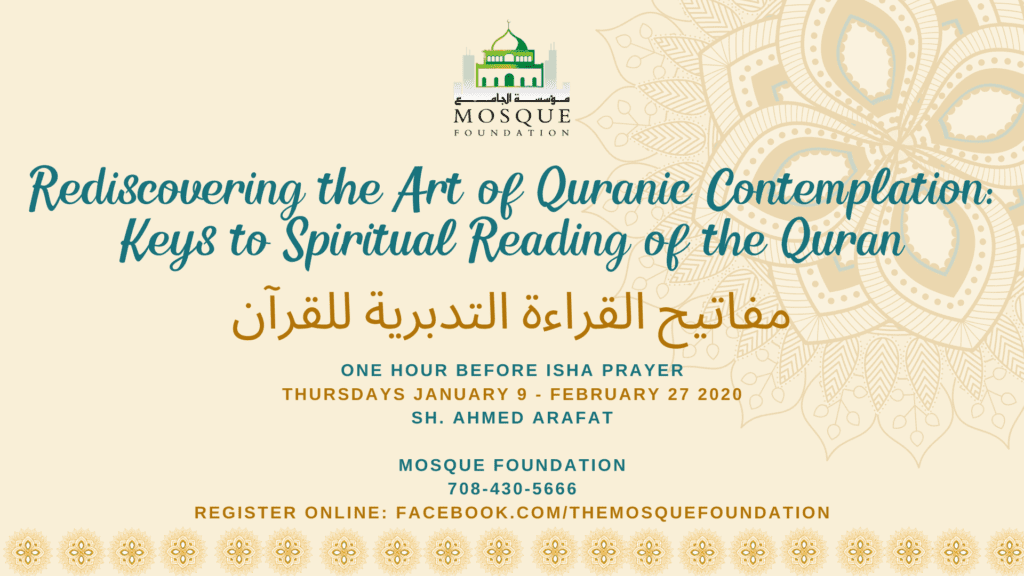
Keys to Spiritual Reading of the Quran

Join us for this limited series on rediscovering the art of Quranic contemplation. Thursdays with Sh. Ahmed Arafat.

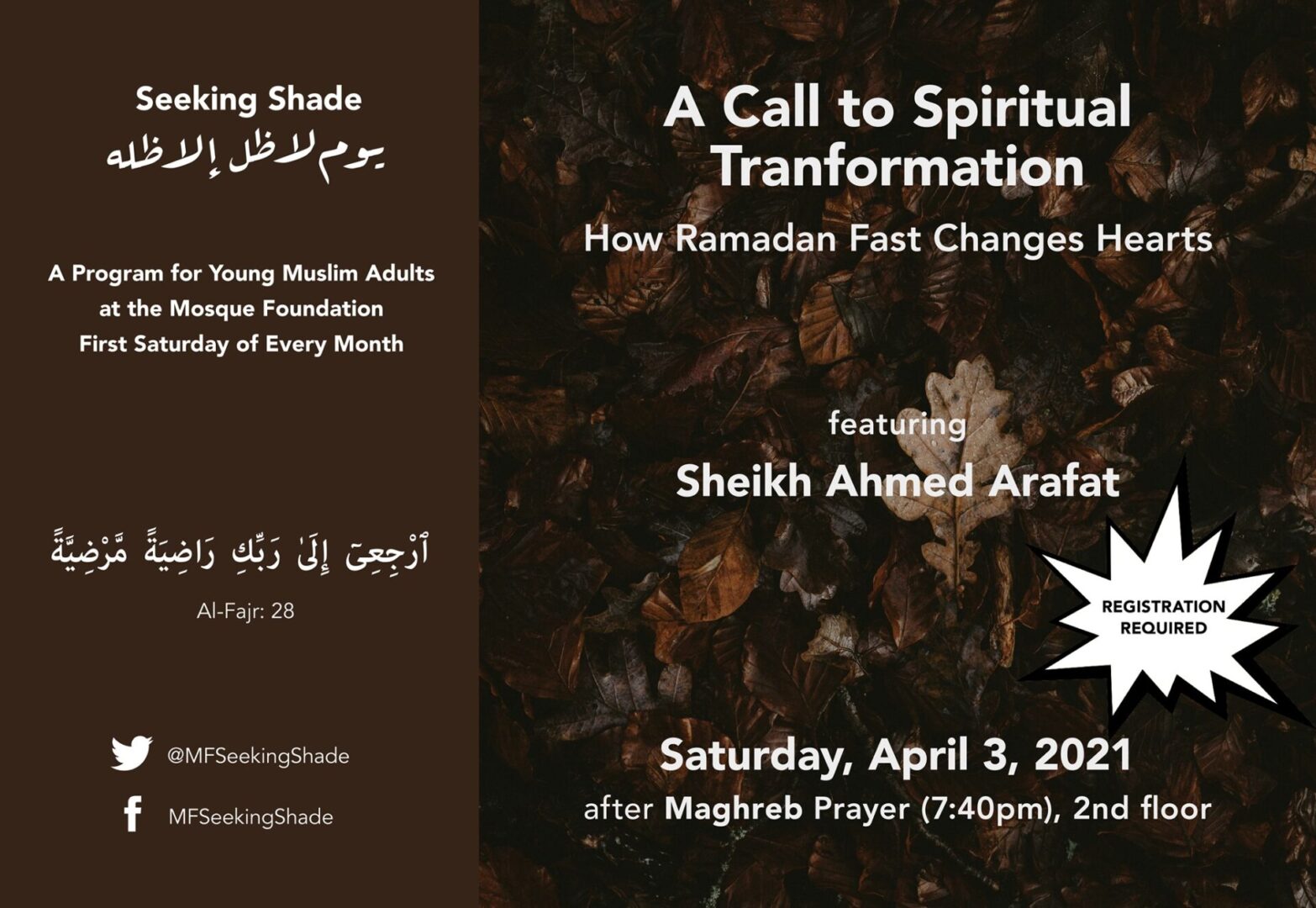
Seeking Shade For Young Adults